
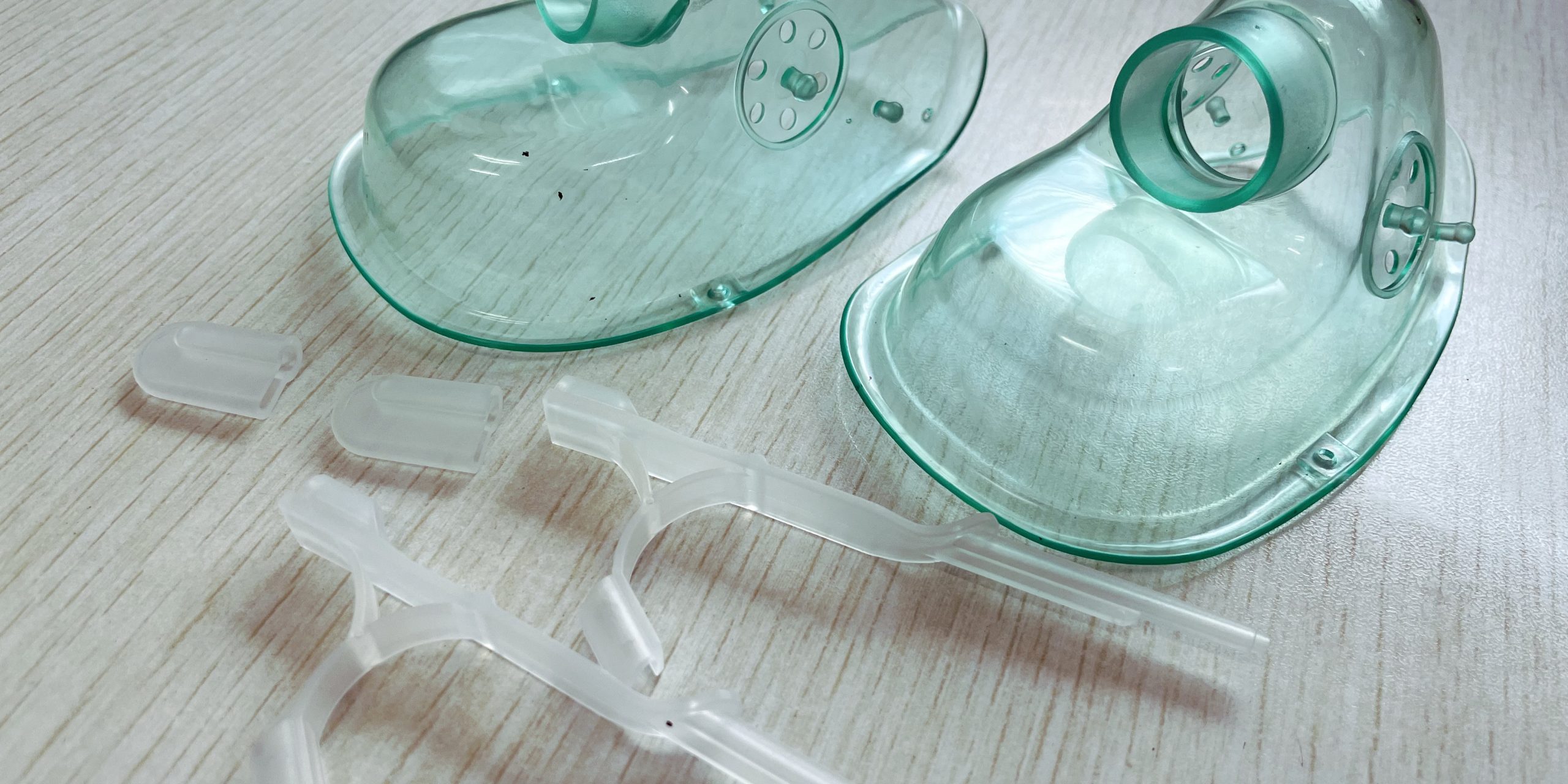
The medical device industry relies heavily on cross-disciplinary integration, combining mechanical engineering, electronics, and advanced polymer technology. Since the first successful clinical use of polymer materials as artificial kidney dialysis membranes in the 1930s, plastics have rapidly revolutionized medical device manufacturing.
Today, medical-grade polymers are steadily replacing traditional materials like metals, glass, and ceramics.
Why Polymers Are Replacing Traditional Medical Materials
The massive shift toward plastic materials in medical applications is driven by four key technical advantages:
- Superior Mechanical Properties & Stability: Advanced medical polymers offer exceptional chemical stability and mechanical strength, making them highly reliable for critical medical environments.
- Cost-Effective Disposables: The abundance and affordability of raw plastics make high-volume production viable. Disposable medical supplies eliminate the need for costly, repeated sterilization and drastically reduce the risk of cross-infection.
- Biocompatibility: Through advanced material modification, modern plastics achieve excellent histocompatibility (tissue compatibility) and blood compatibility, making them safe for implants and fluid delivery.
- Design Flexibility & Processability: Plastics lend themselves to various high-efficiency molding methods (such as injection molding), making it easy to manufacture complex, high-precision geometries that would be impossible or too costly with metals.
Key Benefits of Plastic Medical Products
From pharmaceutical packaging, syringes, and tubing to advanced surgical instruments, plastic components are ubiquitous in healthcare. The booming market demand for plastic medical devices stems from the following core benefits:
1. Ergonomic and Lightweight
Plastic components significantly reduce the weight of surgical instruments. This lightweight nature reduces fatigue for surgeons during prolonged, high-precision operations.
2. High Durability and Chemical Resistance
Medical plastics offer excellent toughness, low permeability, and durability. High-performance polymers can withstand harsh sterilization processes (such as autoclaving, gamma radiation, or ethylene oxide) without degrading, corroding, or discoloring.
3. Optical Clarity and Transparency
Transparent medical plastics allow healthcare professionals to clearly observe fluid flow and internal mechanisms during critical surgical and diagnostic procedures.
4. Precision Design and Complex Molding
Plastic injection molding allows for the cost-effective mass production of highly intricate shapes. This enables continuous innovation and the rapid prototyping of new medical devices.
5. Enhanced Safety Over Glass and Metal
Unlike fragile glass or ceramics, plastics are shatterproof, making them inherently safer for both medical packaging and fluid containment. Compared to metals, they offer a significantly lower total cost of ownership for consumable items.
Future Outlook: Driving the Next Generation of Healthcare
With a growing global population and an aging demographic, the demand for medical devices is expanding rapidly. The industry trend is moving toward device miniaturization and multifunctional integration—where a single compact device replaces multiple traditional components.
Given their unmatched versatility, biocompatibility, and manufacturing efficiency, plastic medical components will continue to capture market share and drive the future of medical device innovation.