
Strategic Guide to PPS Injection Molding: Engineering Solutions & High-Performance Applications
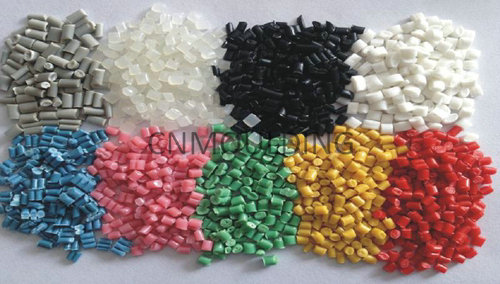
When selecting a material for metal replacement or harsh-environment applications, PPS (Polyphenylene Sulfide) is a top-tier choice. However, transforming this high-performance resin into a flawless finished part requires far more than standard injection molding capabilities. PPS is notoriously unforgiving during processing.
With decades of specialized experience in injection mold design and high-temperature plastic processing, we don’t just mold PPS—we deliver end-to-end engineering solutions that anticipate material challenges, optimize part quality, and prevent costly manufacturing failures.
1. What Products Benefit Most from PPS Injection Molding?
If your product operates under extreme stress, high temperatures, or corrosive environments, PPS is the engineered solution. Through our extensive project history, we have successfully optimized and manufactured PPS parts for these critical applications:
- Automotive & EV Components: Under-the-hood components requiring prolonged resistance to heat and fluids, such as electric water pump impellers, thermostat housings, fuel rail brackets, EV battery cell carriers, and sensor housings.
- Electrical & Electronics (E&E): Parts that must withstand lead-free surface mount technology (SMT) reflow soldering temperatures, including precision micro-connectors, switches, bobbins, terminal blocks, and relay bases.
- Fluid Handling & Industrial Machinery: Components subject to constant chemical exposure and wear, such as chemical pump bodies, valves, impellers, gears, gaskets, and heavy-duty bearings.
- Precision Appliances: Heat-resistant and chemical-resistant parts for commercial coffee makers, food processors, and high-end consumer appliances.
2. Key Characteristics of Injection-Molded PPS Products
When properly processed, a finished PPS component offers a unique matrix of metal-like performance characteristics:
- Continuous Thermal Stability: Safely operates in continuous temperatures up to 240°C (464°F) without losing structural integrity.
- Virtually Inert Chemical Resistance: Offers zero known solvents below 200°C, providing superb resistance to aggressive acids, automotive fluids, and organic solvents.
- Zero-Draft, Tight Tolerances: Highly reinforced PPS (often 30%-40% Glass Fiber or Mineral filled) exhibits incredibly low mold shrinkage, allowing us to hold micro-level tolerances.
- Inherent Flame Retardancy (UL94 V-0): Achieves maximum flame resistance naturally, ensuring strict safety compliance without degrading mechanical properties via additives.
3. The Unforgiving Reality of PPS Processing: How Our Experience Saves Your Project
PPS is a semi-crystalline polymer with an incredibly high melting point (approx. 285°C). It is highly abrasive to tooling and extremely sensitive to thermal management. Mismanagement at the mold design or molding stage leads to catastrophic part failures.
Here is how our seasoned engineering team proactive diagnoses, prevents, and solves the three biggest PPS processing challenges:
Challenge 1: Brittle Parts due to Poor Crystallization
- The Risk: If the mold temperature is too low during injection, the PPS frozen layer solidifies in an amorphous state. The resulting part will be brittle, prone to cracking under stress, and suffer from high post-molding shrinkage when exposed to heat in the field.
- Our Solution: We implement advanced, dedicated high-temperature oil heaters to maintain absolute, uniform mold temperatures between 130°C and 150°C. This guarantees full, consistent crystallization inside the cavity, unlocking the true mechanical and thermal limits of the material right out of the mold.
Challenge 2: Severe Tool Wear and Flash Control
- The Risk: PPS resins (especially when modified with 40% glass fiber) are highly abrasive to mold steel. Furthermore, because PPS has an exceptionally low melt viscosity (it flows like water at processing temps), it easily escapes through minute gaps, causing severe flash on the parting lines.
- Our Solution: We build PPS molds exclusively using premium, through-hardened, and wear-resistant tool steels (such as H13 or passivated steels) treated for high-temperature cycles. Our ultra-precision CNC machining and tooling tolerances ensure perfectly tight parting lines and vents, completely eliminating flash while maximizing tool life across high-volume production runs.
Challenge 3: Corrosive Gas Outgassing & Weld Line Weakness
- The Risk: At melting temperatures around 300°C–340°C, PPS releases trace sulfur-containing gases that can corrode standard mold steels and cause gas burning or voids in the part. Additionally, due to high filler loading, weld lines (where two flow fronts meet) can become structural weak points.
- Our Solution: We integrate specialized, highly engineered venting systems into the mold design to safely evacuate gases. Our engineers run advanced Moldflow simulations prior to cutting steel to optimize gate placements, ensuring that knit lines are strategically moved to non-critical, low-stress areas of your part.
Your Partner in High-Precision PPS Injection Molding
Manufacturing a successful PPS component requires a deep synergy between part geometry, robust mold metallurgy, and precise machine parameters. We bring years of hard-earned, practical floor experience to your project—helping you refine part design for manufacturability, engineering heavy-duty tooling, and executing stable, highly repeatable molding cycles.
Don’t risk unexpected tool wear, brittle parts, or out-of-tolerance components. Partner with a manufacturing team that understands the true physics of high-performance plastics.


