Injection Mold Cooling System Design: Principles, Types & Optimization
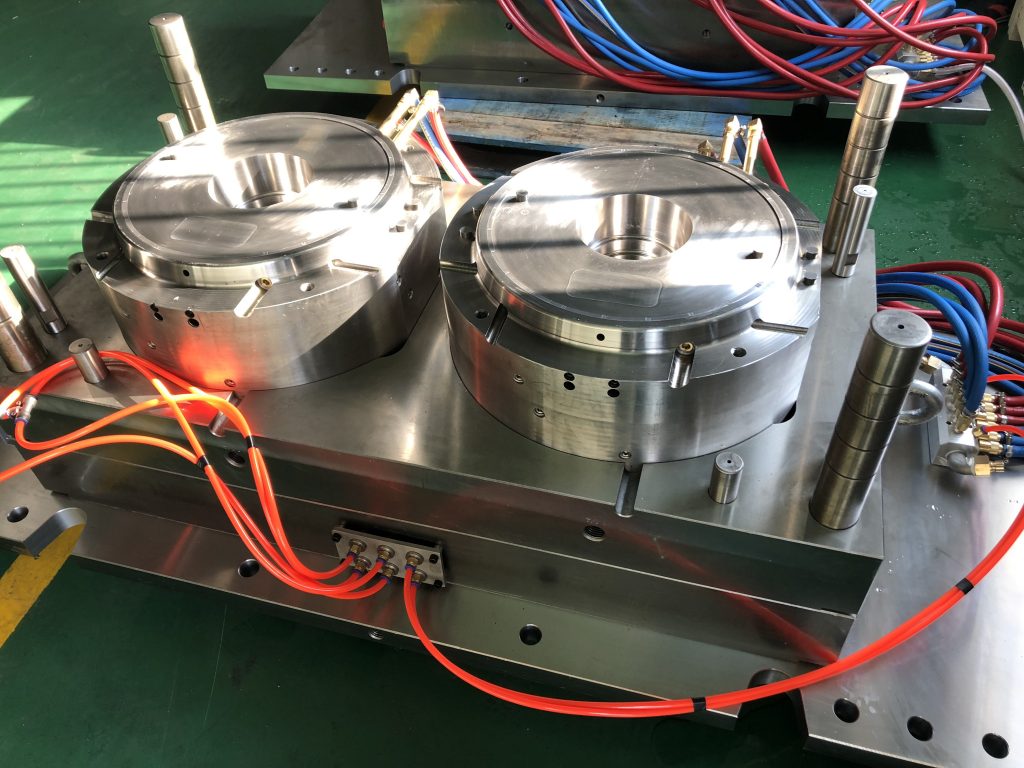
China Injection Mold Cooling System
An efficient cooling system is the backbone of any high-performance injection mold. Because cooling typically accounts for over 50% of the total injection molding cycle time, optimizing mold thermal management is critical for balancing part quality, cycle efficiency, and manufacturing costs.
1. How an Injection Mold Cooling System Works
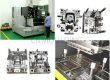
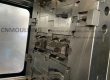
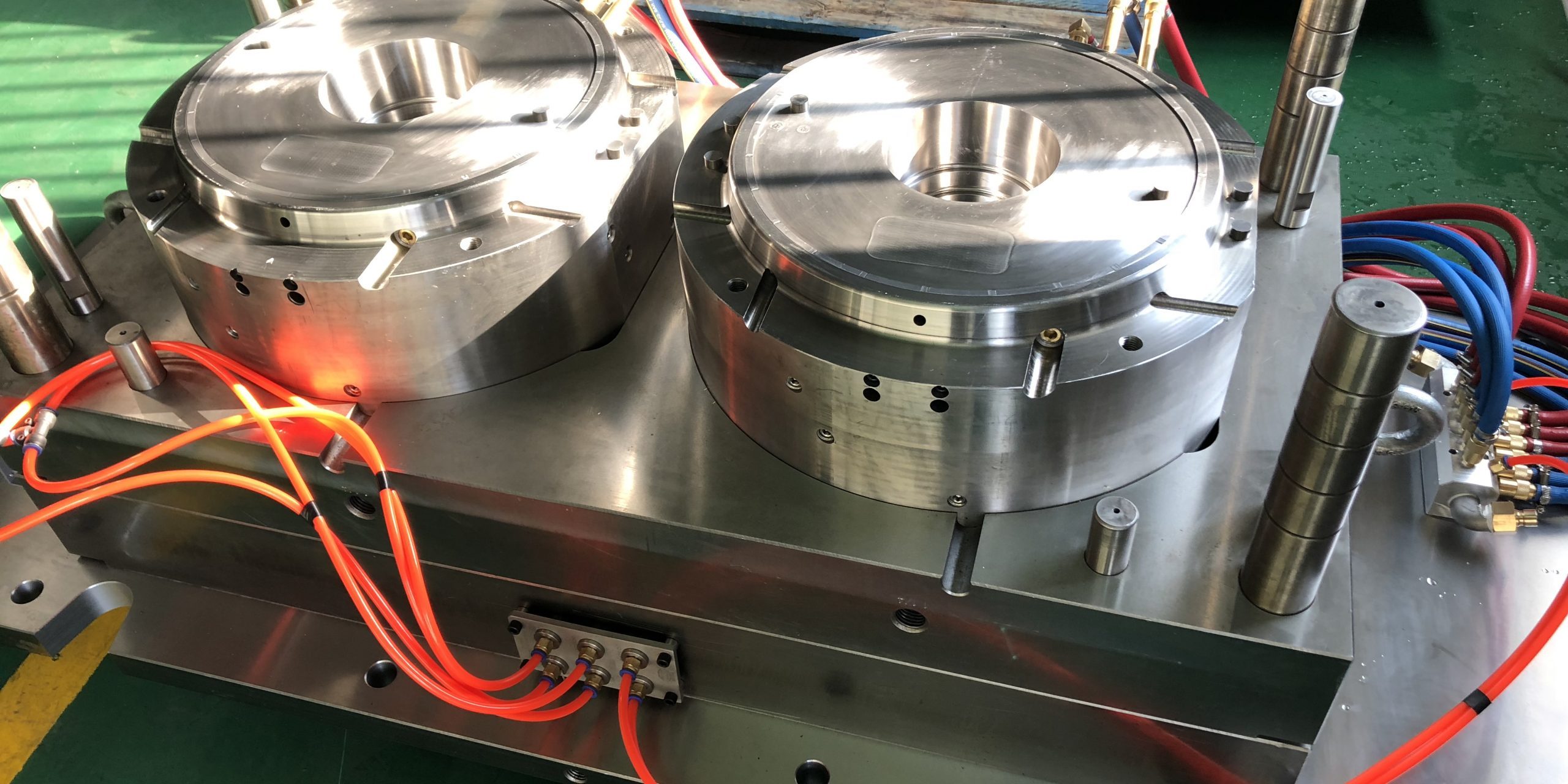
At its core, a mold cooling system relies on a network of drilled or conformal channels integrated directly into the core and cavity inserts. A circulating fluid—usually water, or occasionally thermal oil for high-temperature engineering plastics—absorbs heat from the molten plastic as it solidifies against the steel.
The system’s operation typically involves:
- Pumping & Circulation: A dedicated mold temperature controller (TCU) or chiller circulates the fluid at a controlled flow rate and pressure.
- Heat Transfer: Heat transfers from the plastic to the mold steel, and then into the circulating fluid.
- Thermal Equilibrium: Continuous fluid flow maintains a stable, uniform mold surface temperature, ensuring consistent part shrinkage and dimensional stability.
2. Common Types of Mold Cooling Approaches
Different part geometries and resin specifications require tailored cooling configurations:
- Straight-Drilled Cooling Lines: The most traditional and cost-effective method, utilizing standard gun-drilled channels through the mold plates.
- Baffles and Bubblers: Used in deep cores or confined areas where standard straight lines cannot reach, forcing fluid to circulate locally around obstacles.
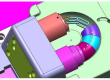
- Conformal Cooling (Additive Manufacturing): Utilizing 3D metal printing (SLM), conformal cooling channels follow the exact contour of the part cavity. This provides uniform cooling, drastically reduces cycle times, and minimizes warpage in complex parts.
3. Key Benefits of Proper Mold Thermal Management
Implementing an engineered cooling layout delivers direct advantages on the shop floor:
- Shorter Cycle Times: Efficient heat dissipation allows molded parts to reach ejection temperature faster, maximizing machine utilization in high-volume production.
- Defect Prevention: Balanced cooling eliminates localized hot spots, preventing common molding defects such as:
- Warping and Twisting: Caused by uneven cooling rates across thick and thin sections.
- Sink Marks: Minimized by ensuring proper volumetric shrinkage control.
- Residual Stresses: Reduced through gradual, uniform temperature gradients.
- Consistent Part Quality: Stable mold temperatures ensure repeatable dimensions and mechanical properties across large-batch runs for automotive, electronics, and medical applications.
Conclusion
Optimizing an injection mold cooling system requires a balance of proper channel placement, fluid dynamics, and mold steel selection. Whether designing standard straight-line cooling for commodity parts or implementing complex conformal channels for high-end components, effective thermal control remains the key to maximizing both productivity and part integrity.