Post-Processing Technologies for Injection Molded Products
Plastic surface printing is a post-molding secondary process used to apply text, logos, and instructional graphics directly onto plastic components. For global buyers, the critical requirements for surface printing are ink adhesion durability, color accuracy (Pantone matching), and wear resistance during the product’s lifespan.
To meet strict industrial standards, a professional manufacturer must match the exact printing technology to the part geometry and the specific resin type.
1. Common Methods for Plastic Surface Printing
We utilize three primary printing techniques based on part design, production volume, and aesthetic requirements:
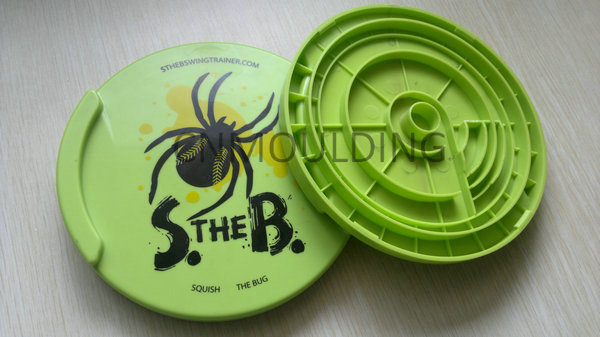
- Pad Printing (Tampography): This method uses a silicone pad to transfer ink from an etched plate to the plastic part. It is the industry standard for irregular, curved, or textured surfaces. Pad printing offers excellent registration and high detail for small logos or icons.
- Screen Printing: Ink is forced through a prepared mesh screen onto the plastic surface. This method is ideal for flat, larger surface areas. It delivers a thick ink layer, resulting in highly vibrant colors and superior durability, making it cost-effective for high-volume runs.
- Digital UV Printing: Graphics are printed directly onto the plastic from a digital file and cured instantly by UV light. It provides high-resolution, multi-color prints without the setup costs of plates or screens. This is highly efficient for low-to-medium volumes and complex, multi-colored designs.
2. Critical Engineering Considerations for Ink Adhesion
The biggest failure in plastic printing is ink peeling or scratching off. To ensure permanent adhesion, we analyze and control three core engineering variables:
- Resin Selection and Ink Compatibility: Different plastics have different surface energies. Materials like ABS and PC bond easily with solvent-based or UV inks. However, low-surface-energy plastics like PP, PE, or POM require specialized chemical formulations or specific inks to guarantee a permanent bond.
- Surface Pre-Treatment: For challenging plastics, we implement Corona treatment or Flame treatment before printing. This temporarily modifies the molecular structure of the plastic surface, significantly increasing its surface energy and ink wetability.
- Strict Surface Cleaning: Any residual mold release agents, oils, or dust from the injection molding process will ruin ink adhesion. Every part undergoes a strict cleaning and degreasing workflow prior to entering the printing line.
3. High-Standard Quality Testing for Printed Parts
To ensure the printing survives real-world usage and harsh environments, all printed plastic components undergo rigorous quality control testing:
- Cross-Hatch Adhesion Test (ASTM D3359): We cut a lattice pattern into the printed film and apply specialized tape to verify that the ink does not peel or lift.
- Rub and Abrasion Testing: Utilizing RCA rotators or alcohol rub tests to simulate long-term handling and ensure the graphics do not wear off.
- Color Matching Verification: Using spectrophotometers to ensure the printed color matches your exact Pantone or RAL specifications across all production batches.
Conclusion
Surface printing is a highly precise engineering process that requires strict control over surface preparation, ink chemistry, and printing parameters. By integrating our advanced precision injection mold manufacturing with robust post-processing technologies, we deliver completely finished, turnkey components that meet your exact functional and cosmetic requirements.